
I've worked in social media marketing since around 2008.
I worked full-time at iHeartMedia, formerly Clear Channel and the company behind iHeartRadio, for over 13 years.
Some of my responsibilities included coordinating social media campaigns for concert promotions and giveaways, interviewing celebrities, and producing content for their radio stations’ online audiences.
Those experiences gave me a front-row seat to how quickly platforms change and successful strategies lose their impact.
I don’t want this to come across as a “back in my day” story. I’m still interested in what comes next.
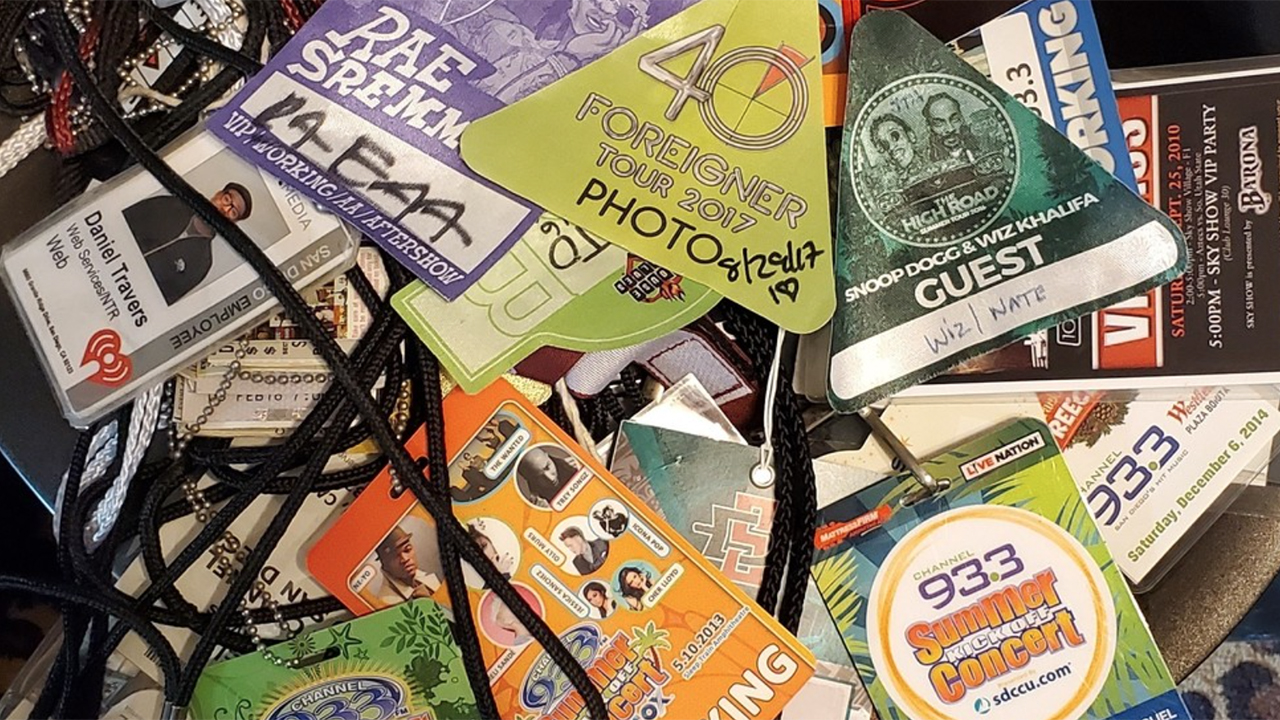
Having that history gives me a longer view of the changes happening now.
Some trends offer a short window to get attention. Others reshape how people discover businesses for years.
I’m interested in recognizing both, understanding where to put my time, and being willing to adjust as things change.
The biggest lesson has stayed with me: You have to adapt. But you shouldn’t put all your eggs in one basket.
What This Article Covers
- What early Facebook marketing taught me about building website traffic.
- How Instagram’s changes affected my work as an independent artist.
- Why building a following doesn’t guarantee access to your audience.
- How connecting your marketing channels can reduce dependence on one platform.
- Why I value relevant engagement and business results over follower counts alone.
- How I weigh short-term opportunities against long-term goals.
- Five practical actions to help you review your own marketing.
- How these lessons influence my work at Redideo Studio today.
Getting Started With Social Media Marketing
I joined Clear Channel (now iHeartMedia) in San Diego in August 2007 as part of a digital team supporting eight local radio stations.
Team members focused on specific radio stations. I also helped with the others as needed. My work covered website content and social media alongside video production and digital promotions.
About a year into the job, I began using Facebook to promote KIOZ-FM (Rock 105.3), a San Diego rock radio station. We started with a regular Facebook profile and later had to convert it to a fan page for the station.
I worked through that transition firsthand. From what I observed, very few other Clear Channel markets were actively using Facebook to promote their stations at the time.
I saw an opportunity to connect with listeners beyond the radio. We shared content and promoted events through Facebook. Contests encouraged people to participate and visit our websites.
There wasn’t always an established process to follow. Much of the work involved testing ideas and watching how listeners responded. We learned how to build an audience and turn that engagement into website traffic.
How Facebook Became a Major Source of Website Traffic
In those early years Facebook was incredibly effective at driving website traffic. Engaging posts could reach large audiences without a paid boost.
The feed also felt more chronological and focused on recent updates. It was a different experience from the increasingly personalized feed that followed.
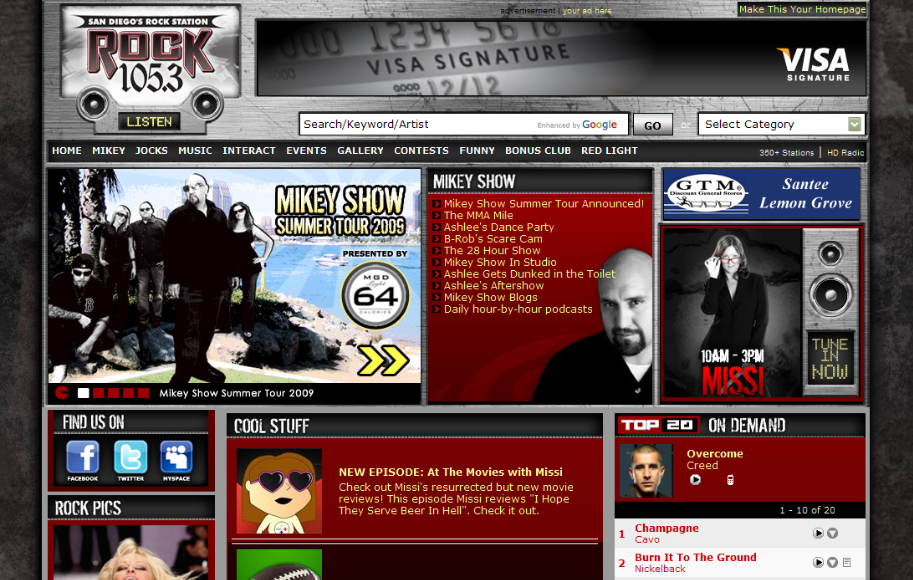
I recall months when Facebook referrals brought around 100,000 unique visitors to one station’s website.
What started as an experiment had become a major force in how we reached audiences online.
Our content could reach people who weren’t already listening to the stations. Those people could then visit our websites and discover more.
Seeing that happen gave me a real appreciation for getting involved early. It also made the later decline hard to miss.
When Facebook's Organic Reach Changed
Over time Facebook changed how it distributed content. Posts became harder to get in front of the same audiences.
I observed a substantial decline in Facebook referral traffic during that period.
I wouldn’t attribute the entire decline to one algorithm update. Platform practices and audience behavior were changing too.
We had invested time in building those audiences and trying new ways to bring people to our websites. As Facebook traffic declined, we used what we’d learned to adjust our strategy and test new ideas.
How Our Team Responded by Diversifying
Our response was to diversify into other channels.
We continued using Facebook while putting more emphasis on SEO and email marketing. The goal was to reduce our dependence on Facebook and give people more ways to find our content and stay connected.
As radio stations we also had an advantage: we could reach people over the airwaves. We created short on-air messages called liners that directed listeners to our websites.
That advantage matters when I look back at the results. A small business may not have a radio audience it can send to a website.
Being part of that effort taught me to consider the resources behind a result. It also showed me the value of having several ways to reach people.
How Instagram's Shift Toward Reels Affected My Artwork
I've experienced these changes while working for a large media company. I've also felt their impact as a small independent digital artist.
I spent years sharing original artwork on Instagram. Some pieces took up to 10 hours to complete. My still-image posts received substantial engagement.
People commented on the work and shared it. They followed along as I created new pieces.
Then Instagram began placing greater emphasis on Reels and short-form video. Around that time, I noticed engagement declining on my still-image posts. Competition and changes in audience behavior may have contributed, too.
I kept creating artwork. I didn’t make Reels the main focus of the account.
Video production is a major part of my professional work. I understand its value. But producing a video for every piece of artwork wasn’t automatically the best use of my time.
I eventually transitioned that Instagram account into an account for my creative agency. The older artwork and its engagement are still visible there.
You Don't Own Your Social Media Followers
One of the most frustrating parts of these experiences was realizing how much audience access depended on the platform.
We could put time into building a following. That still didn’t guarantee those people would see what we published next.
It’s a limitation I keep in mind today. A follower count tells me how many people have chosen to follow an account. It doesn’t tell me how many I can reliably reach.
Paid advertising can help extend that reach. I’ve used it in broader marketing campaigns. But I don’t want a business to depend on a single route to its customers.
Build Customer Relationships Through Omnichannel Marketing
The radio work showed me the value of connecting different ways to reach an audience. That thinking still influences how I approach marketing.
I want social media to give people a reason to take another step. That might mean visiting a website or subscribing to an email list.
An omnichannel approach connects those experiences. Someone might discover a business on Instagram, visit its website to learn more, and subscribe to its email list until they’re ready to buy. The branding and message should feel consistent throughout that process.
AI-powered search gives me another reason to think about information across platforms. Google explains that AI Mode can search across several sources to develop its response.
That reinforces my preference for keeping business information clear and accurate wherever it appears publicly.
Customers should be able to recognize the business and understand what it offers across those different places.

Diversify Where Customers Can Find You
These are the channels I consider as parts of that larger picture:
- Website Design and Development: A place to explain the business, show its work, and make the next step clear.
- Search Engine Optimization (SEO), or as I call it, “Search Everywhere Optimization”: Work that helps people discover the business through search engines, AI search tools, and other platforms when looking for something it offers.
- Email Marketing: A way to stay connected with subscribers who have given permission to hear from the business.
- Video and Content Marketing: Useful material that can support several channels, with opportunities to reuse it rather than create everything from scratch.
- Social Media Marketing: A way to share content and build relationships where the audience spends time, with a publishing schedule the business can realistically maintain.
I don’t expect every business to invest equally in all of these.
The right mix depends on its audience and resources. Each channel should have a purpose and support the others.
Measure Relevant Engagement and Business Results
I would much rather have a small following that's focused and highly engaged than a huge audience with little interest in what I offer.

I want to know who’s responding and what happens next:
- Are those conversations leading to website visits or inquiries?
- Are people interested in the work itself?
Comments and shares can be useful signs of interest. Inquiries and sales help me assess whether that interest supports the business.
The effort involved matters too. A channel might look successful until I consider how much time it takes to maintain.
I want to understand the results alongside the work required to produce them.
Adapting Doesn't Mean Chasing Every Trend
The Instagram experience left me with a question I still find useful: How much additional work does this opportunity deserve?
As an independent artist, the hours spent producing another content format come out of the same day I use to create the artwork.
Small business owners face similar decisions. Trying a new format means setting aside time that could go toward customers or another part of the business.
I want to stay open to new ideas while making deliberate choices about where that time goes.
Use Short-Term Trends With a Clear Purpose
A short-term trend can be worth trying. Before committing to it, I want a reason beyond the fact that other people are doing it.
That reason might be introducing a service, supporting a timely promotion, or testing a different way to present something I’ve already created.
I’d decide what I want to learn and how much time I can afford to spend. Then I’d review the results using the same business measures described above.
An experiment doesn’t have to become a permanent commitment. If it produces useful results, I can build on it. If it doesn’t, I can use what I learned to guide the next decision.
Watch for Changes That Last
My early Facebook experience showed me the potential of a new channel. The later decline showed me how much that potential could change over time.
When reviewing marketing across months or years, I’d look for patterns such as:
- Customers repeatedly discovering the business through a new channel.
- An established source of inquiries becoming less reliable.
- People consistently choosing a different way to consume the content.
For trends around specific topics, I’d use Google Trends as a starting point.
It shows relative search interest over time, which can help put seasonal patterns and sustained interest into context.
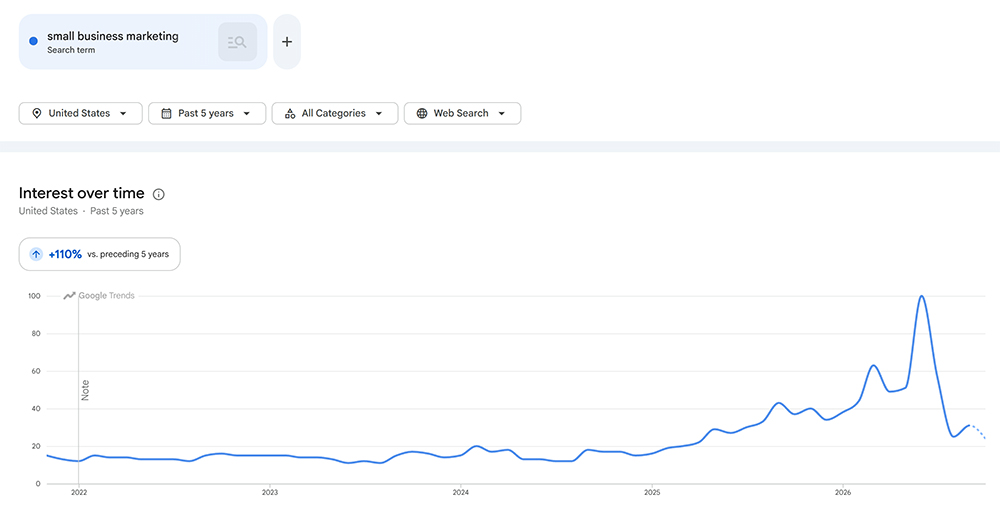
That graph concerns search interest. It doesn’t explain social media algorithm changes or show which posting techniques work best.
I can’t know for certain how long a trend will last. Repeated results give me more to work with when deciding whether to make a lasting change.
Five Actions I'd Start With
If you're looking at your own marketing, these are the first things I'd suggest reviewing:
- Find out where inquiries come from. Use the information you have and ask new leads how they found you. Keep a record so you can see patterns.
- Give social visitors somewhere useful to go. Link to a relevant service page or article. Make sure it delivers what the post promised and makes the next step clear.
- Give people another way to stay connected. An email signup can help if there's a useful reason to subscribe. Get permission and follow through with relevant content.
- Look beyond follower counts. Check whether the people engaging fit your audience. Review inquiries alongside website visits and social engagement.
- Give trends some context. Compare a recent spike with results across months or years. Set a reasonable limit for new experiments while continuing work that supports your longer-term goals.
How I Apply These Lessons at Redideo Studio
Today I bring these experiences to my work as founder and creative director of Redideo Studio.
I apply the same skills to my clients’ businesses and my own brands: Drone Company San Diego and San Diego Web Design Company. That work combines branding, website design, video production, and search visibility.
Drone Co’s website generates quote requests. Through SD Web Co, I help local businesses connect those pieces to reach potential customers.
Nearly 20 years gives me perspective. I’m still learning and using those lessons to guide my work.
My goal is to recognize worthwhile opportunities and turn them into lasting revenue for my own brands and my clients.
About The Author
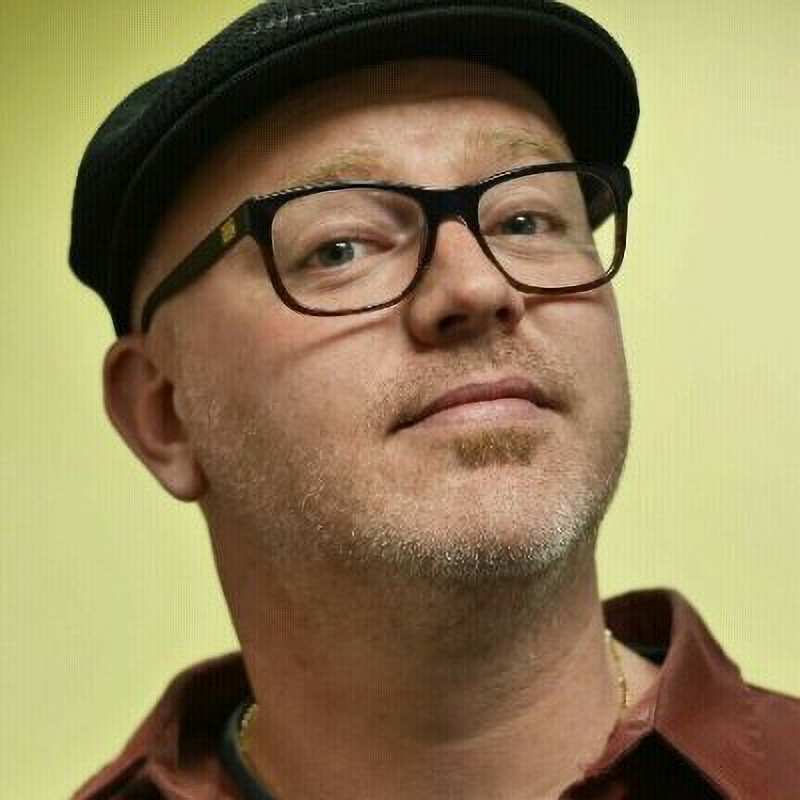
Daniel Travers is the founder and creative director of Redideo Studio, a creative agency in San Diego. He brings 20+ years of experience in digital media and marketing.
Daniel works with small businesses in San Diego and across the United States. He also works directly with iHeartMedia, which has hired him for projects with brands including Disney, Lexus, Kia, and more.
He holds a BFA in Photo New Media from the Kansas City Art Institute, along with an AAS in Graphic Communications from St. Louis Community College.
Find Daniel on: LinkedIn | MuckRack | Reddit | Quora | Professionals with Purpose
Have a project in mind? Let’s talk.